Nurse-led laser + skin clinic in Arnprior, serving the Ottawa Valley · (613) 403-6354

No products in the cart.
Nurse-led laser + skin clinic in Arnprior, serving the Ottawa Valley · (613) 403-6354
Fractional resurfacing for pigmentation, sun damage and uneven skin tone. LaseMD Ultra is a 1927 nm non-ablative fractional thulium laser designed to improve visible sun damage, uneven pigmentation, tone and overall skin quality without ablating the entire surface of the skin.
Fractional resurfacing for pigmentation, sun damage and uneven skin tone. LaseMD Ultra is a 1927 nm non-ablative fractional thulium laser designed to improve visible sun damage, uneven pigmentation, tone and overall skin quality without ablating the entire surface of the skin.
LaseMD Ultra is the fractional laser we reach for when the concern is colour rather than texture. Its 1927 nm wavelength is absorbed close to the surface, where sun damage, brown spots and freckles actually sit, and it treats the skin in microscopic columns rather than removing the surface. That is why most people go straight back to their day afterwards.
Sun damage, brown spots, freckles, uneven tone and early photoaging
About 10 to 20 minutes, after numbing cream
Back to your day right away, about 5 to 7 days of dryness
Some skin changes after one, some needs a series
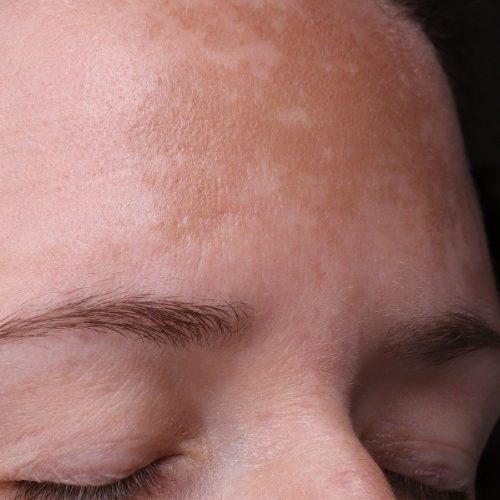
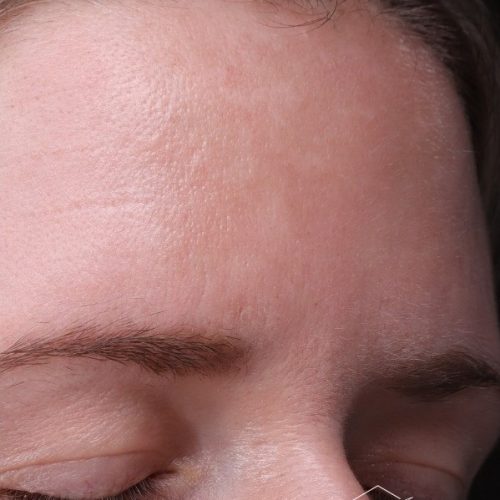
Our own result. Pigmentation and photodamage, treated on the LaseMD Ultra at Arnprior Med Spa. Drag the handle to compare.
Under a minute, filmed in our own clinic. She shows the handpiece, the micro-channels it opens in the surface of the skin, and why that is the layer sun damage and pigment sit in. Sound on.
LaseMD Ultra is one of the treatments we consider when sun damage, brown spots, uneven pigmentation and dull or uneven tone are the primary concerns.
Rather than focusing only on surface exfoliation, the 1927 nm fractional wavelength creates a controlled treatment response within the skin to support more even-looking tone and progressive improvement in visible photodamage.
Not all pigmentation behaves the same way.
Sun spots, diffuse photodamage, post-inflammatory pigmentation and melasma can require very different treatment strategies. At Arnprior Med Spa, we assess pigment pattern, skin history, triggers, previous treatments and pigmentation risk before deciding whether LaseMD Ultra should be incorporated into your plan.
The goal is not simply to treat what looks brown. It is to understand why the pigment is there and how aggressively it should be treated.
LaseMD Ultra is a non-ablative fractional treatment, making it useful for clients who want meaningful improvement in tone and early photoaging without moving directly to a more intensive ablative resurfacing procedure.
Treatment intensity can be adjusted according to the concern being treated and the amount of recovery that fits your skin and goals.
This gives us flexibility to use LaseMD Ultra as anything from a lighter corrective treatment to part of a more structured resurfacing series.
Pigmentation is rarely the only change happening in aging or sun-damaged skin.
Uneven tone may exist alongside texture, enlarged pores, fine lines, redness or laxity, which is why LaseMD Ultra is often one part of a broader treatment plan rather than a standalone solution for every concern.
Depending on what we see during your assessment, LaseMD Ultra may be combined strategically with treatments such as Mosaic 3D, vascular laser, RF microneedling, CO₂ resurfacing or an individualized skincare program.
LaseMD Ultra delivers fractional 1927 nm thulium laser energy across the skin, creating microscopic treatment zones rather than treating the entire surface continuously. The result is a controlled fractional response designed to support improvement in visible photodamage, uneven tone and overall skin quality.
Visible brown spots, uneven pigmentation and broader photodamage can reflect cumulative changes within the skin. These findings help us determine whether a 1927 nm fractional treatment fits the treatment plan and whether pigment preparation or another technology should be considered first.
LaseMD Ultra delivers 1927 nm thulium laser energy fractionally across the skin. Instead of treating the entire surface as one continuous field, microscopic treatment zones are created while intervening areas remain untreated.
Cynosure Lutronic describes LaseMD Ultra as creating dehydrated microscopic channels through fractional energy delivery. These controlled treatment zones initiate a localized tissue response while untreated areas remain between the fractional zones.
As the treated skin moves through its healing response, improvement occurs progressively rather than as a simple immediate exfoliation effect. LaseMD Ultra is used to support improvement in visible photodamage, uneven tone, superficial texture and overall skin quality.
Treatment intensity is individualized following assessment. Pigmentation does not always have the same cause, so the appropriate treatment may involve LaseMD Ultra alone or a broader strategy addressing pigment triggers, skin preparation and other contributing concerns.
Pigmentation is not always just something sitting on top of the skin.
Years of ultraviolet exposure, inflammation, hormonal influences and the natural aging process can contribute to uneven tone, visible brown spots and broader photodamage. Treating these changes well requires understanding both what is causing the pigment and which layer of the skin we are trying to influence.
LaseMD Ultra uses a 1927 nm thulium wavelength delivered fractionally across the skin. Rather than removing the entire surface, the laser creates microscopic treatment zones while surrounding tissue remains intact. Cynosure Lutronic describes the treatment as creating dehydrated microchannels that stimulate skin revitalization while also increasing permeability for selected topical products.
At Arnprior Med Spa, we primarily consider LaseMD Ultra when the treatment goal is improvement in sun damage, uneven pigmentation, brown spots, uneven tone and early photoaging.
This is what distinguishes it from some of our other resurfacing technologies.
LaseMD Ultra → 1927 nm → pigment + photodamage + tone
Mosaic 3D → 1550 nm → texture + pores + deeper fractional remodelling
CO₂ / Er:YAG → ablative resurfacing → more intensive correction
The appropriate treatment is not determined by which laser is strongest. It is determined by what we are trying to change within the skin, how much correction is required and what degree of recovery is appropriate.
Sacey Foster is a Registered Nurse and the founder of Arnprior Med Spa, an advanced laser and skin clinic serving Arnprior and the Ottawa Valley. She earned her Bachelor of Science in Nursing from Brock University in 2013 and began her career in emergency nursing, where careful assessment, clinical judgment and calm decision-making became the foundation of her practice.
After transitioning into medical aesthetics in 2021, Stacey developed a particular interest in laser technology, skin resurfacing and long-term skin health. Her work now centres on advanced treatments for sun damage, pigmentation, redness, acne scarring, uneven texture and collagen loss, supported by thoughtfully selected, science-backed skincare.
Stacey does not believe in applying the same treatment to every client. She begins by understanding your skin history, concerns, comfort with downtime and realistic goals. From there, she creates an individualized plan that may combine skincare, laser resurfacing, vascular treatments and collagen-remodelling technologies.
Downtime: Several days of redness, dryness or rough texture may occur.
LaseMD Ultra uses a 1927 nm non-ablative fractional wavelength, making it particularly useful when the treatment priority is visible sun damage, uneven pigmentation, brown spots, uneven tone and early photoaging.
This differs from treatments such as Mosaic 3D, which uses a 1550 nm wavelength and is more focused on deeper textural remodelling, enlarged pores, fine lines and selected scars. More intensive resurfacing technologies such as CO₂ or Er:YAG may be considered when deeper wrinkles, advanced photoaging or more significant textural correction require an ablative approach.
At Arnprior Med Spa, we do not consider one laser universally “better” than another. Each wavelength interacts with the skin differently, which is why treatment selection is based on the concern being treated, its depth within the skin, your skin characteristics and the amount of recovery appropriate for your goals.
LaseMD Ultra is not simply a lighter resurfacing treatment. It occupies a specific role within our laser portfolio when pigmentation, photodamage and overall skin tone are the primary focus.
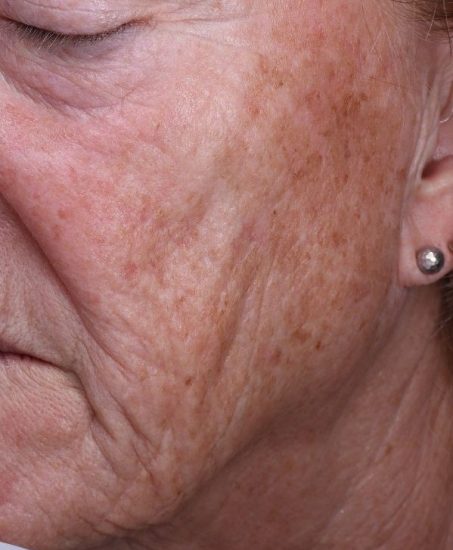
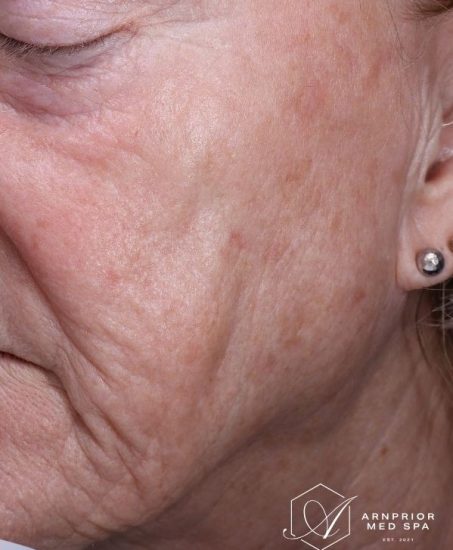
Sun damage before and after CO2 laser resurfacing with MDF Laser Toning
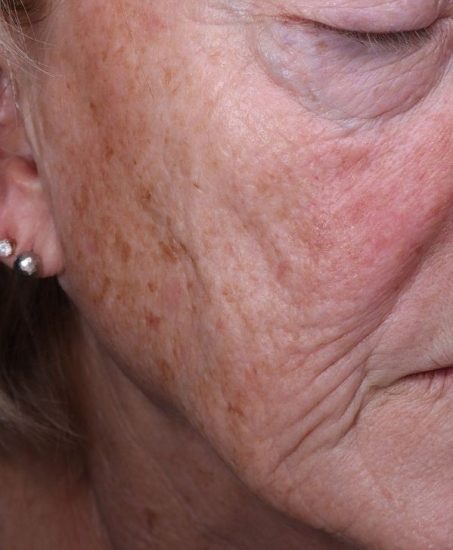
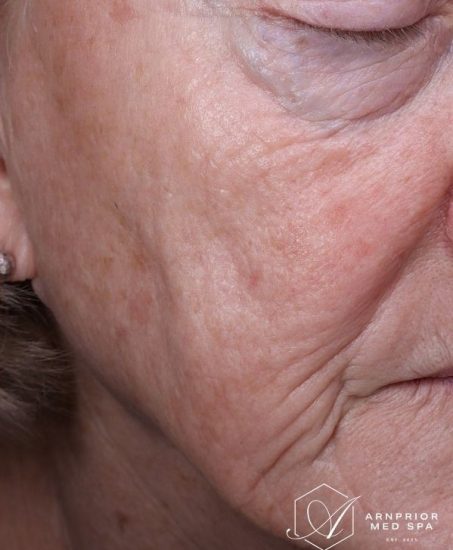
Sun damage before and after CO2 laser resurfacing with MDF Laser Toning
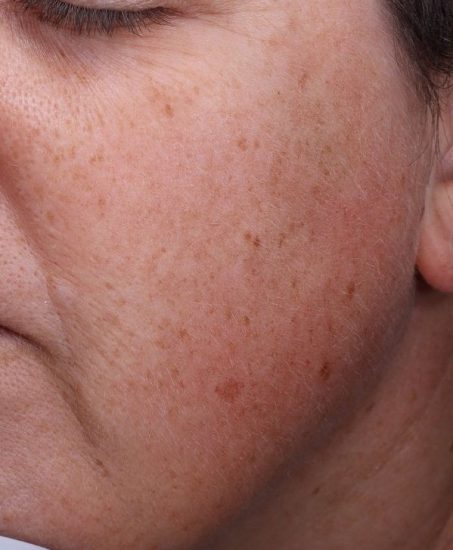
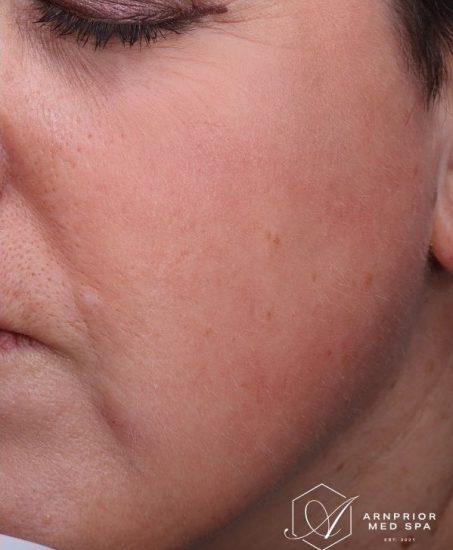
Hyperpigmentation before and after LaseMD Ultra combined with CO2 resurfacing
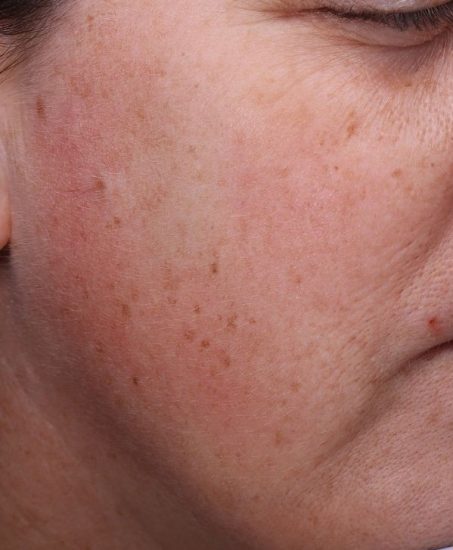
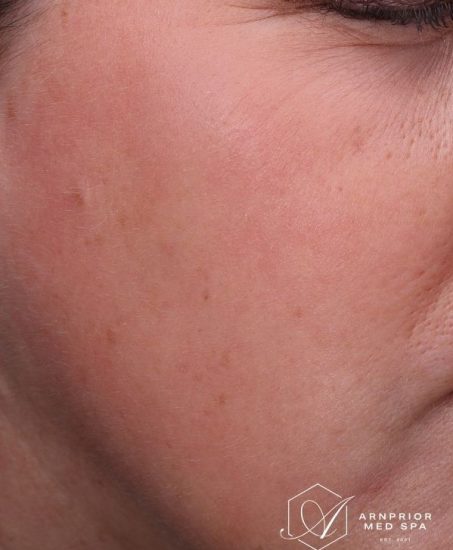
Hyperpigmentation before and after LaseMD Ultra combined with CO2 resurfacing
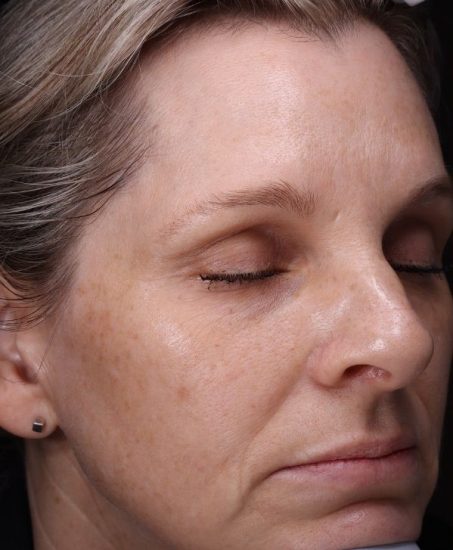
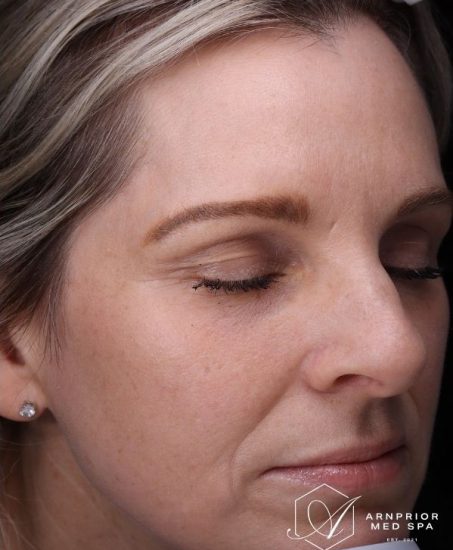
Hyperpigmentation before and after LaseMD Ultra
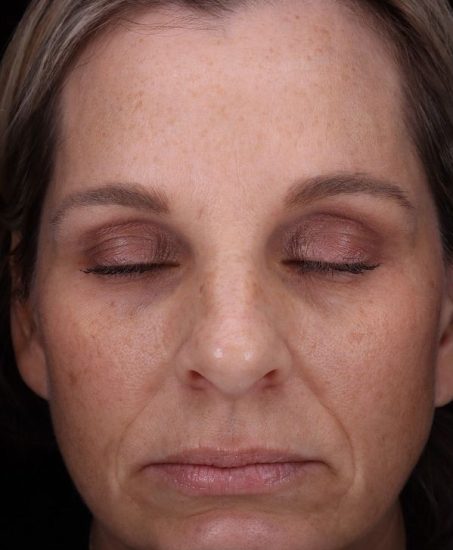
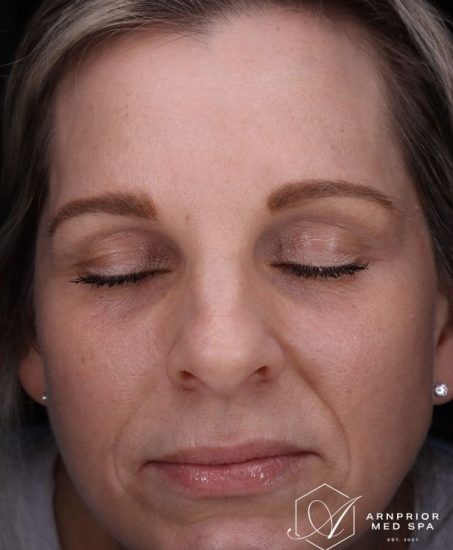
Hyperpigmentation before and after LaseMD Ultra
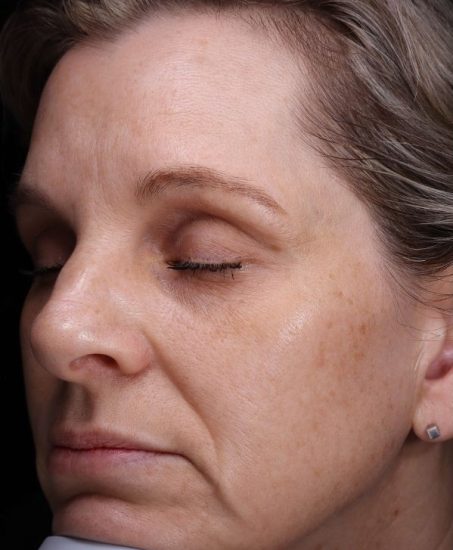
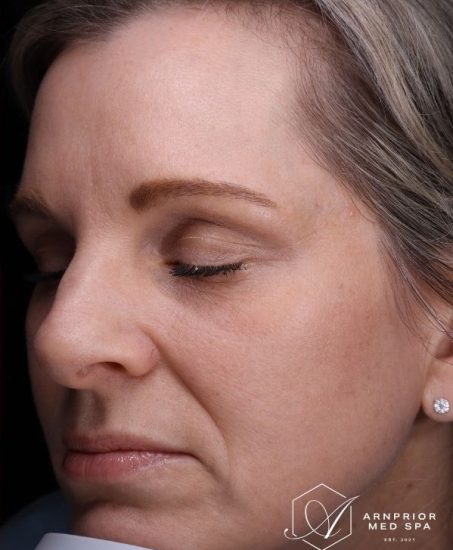
Uneven pigmentation before and after LaseMD Ultra
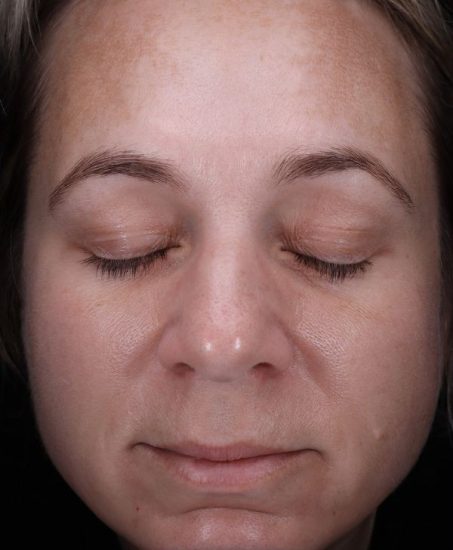
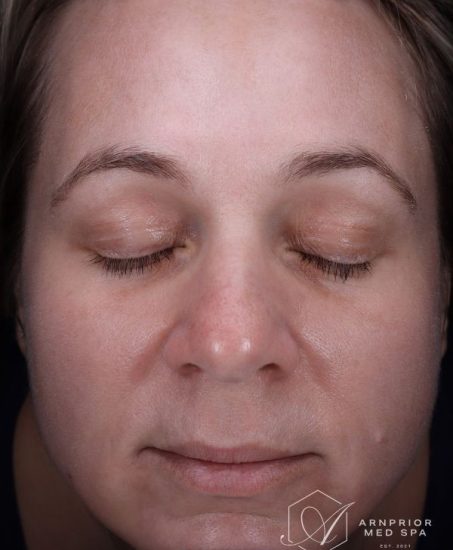
Melasma and hyperpigmentation before and after LaseMD Ultra
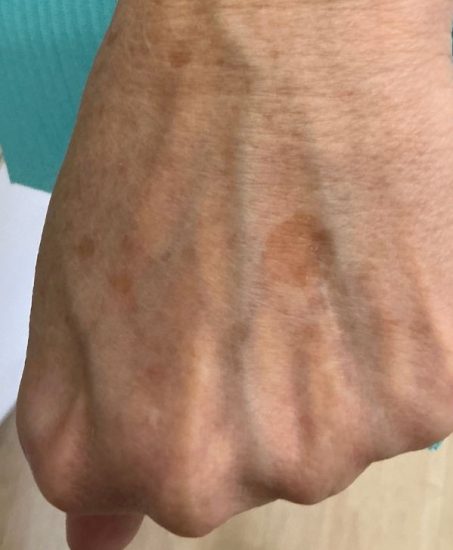
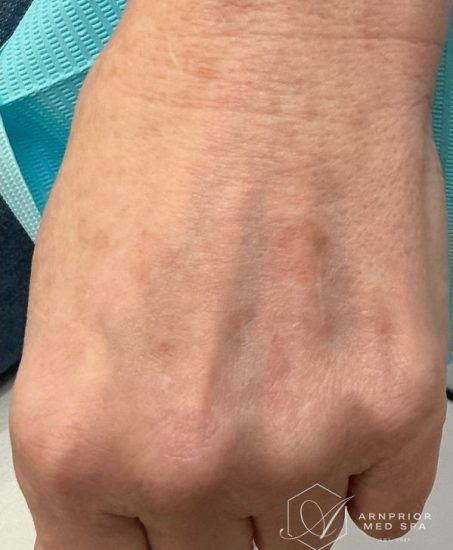
Pigmentation on the hands after one LaseMD Ultra session
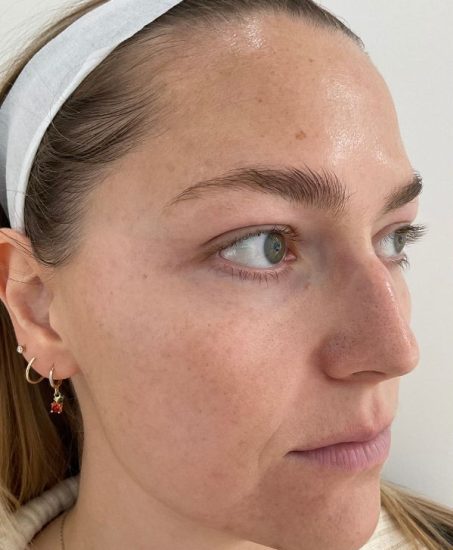
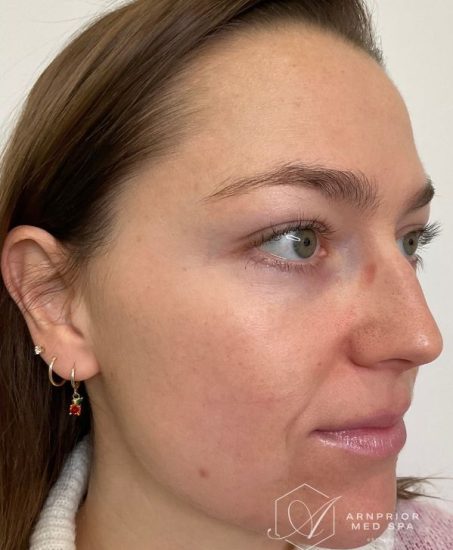
Pigmentation after the first LaseMD Ultra session
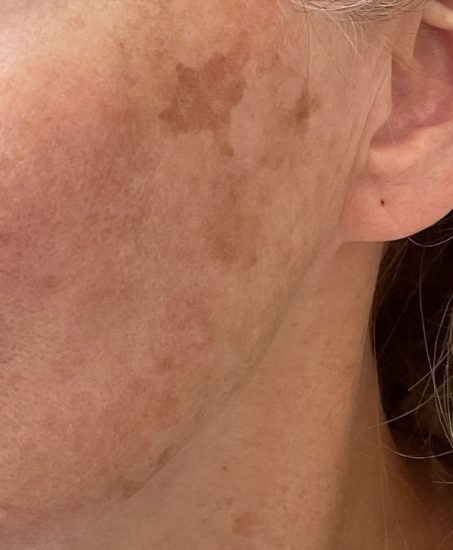
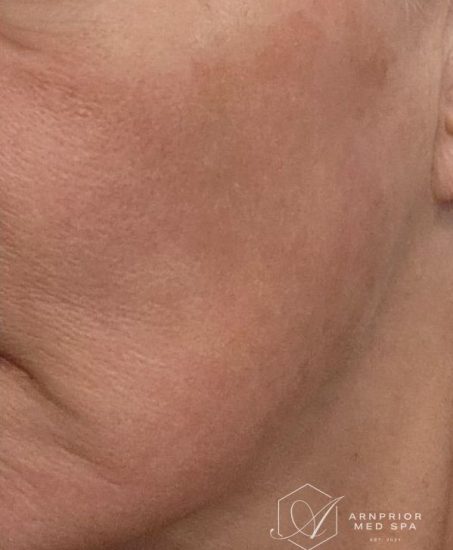
Hyperpigmentation after one session of combined laser therapy
Sun spots and brown spots on the hands before and after LaseMD Ultra
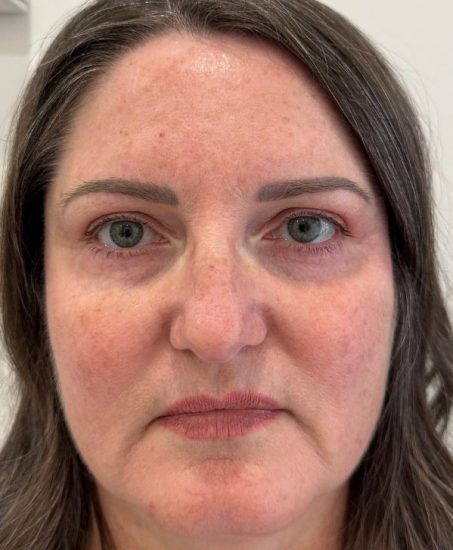
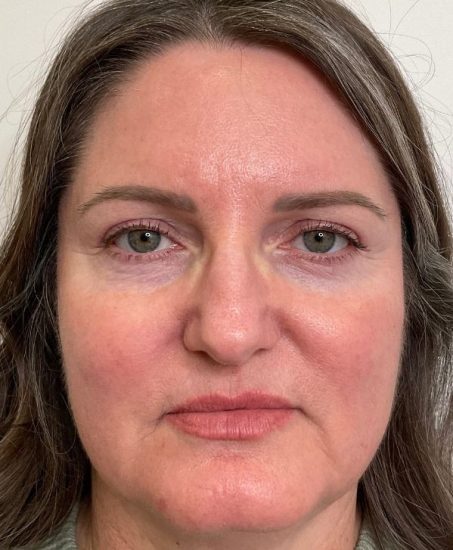
Pigmentation before and after LaseMD Ultra
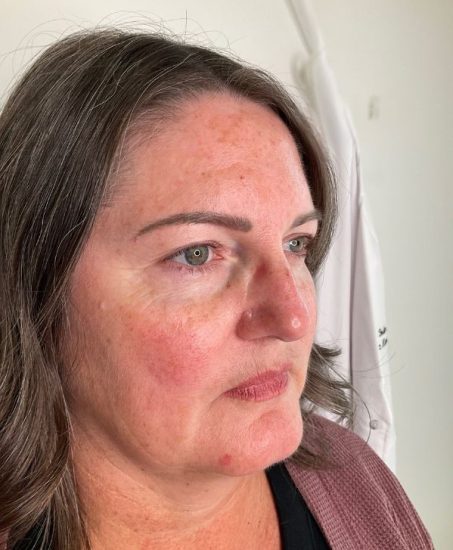
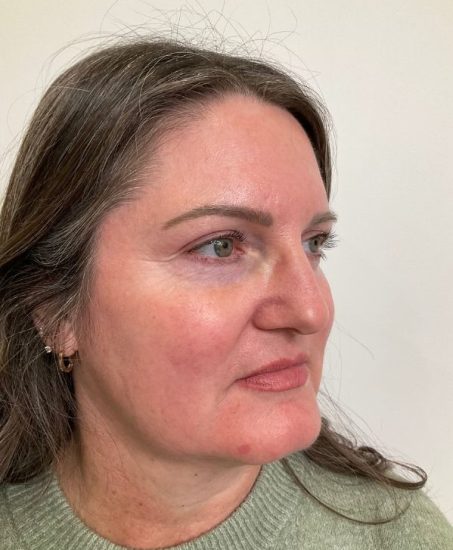
Pigmentation before and after LaseMD Ultra
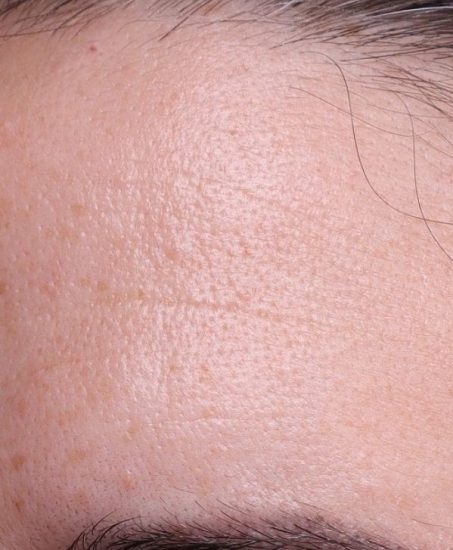
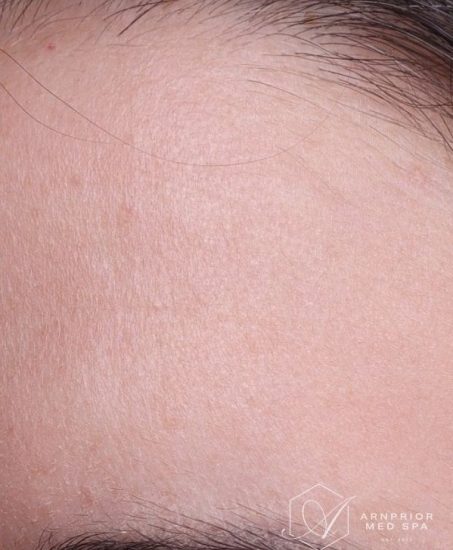
Skin texture before and after LaseMD Ultra
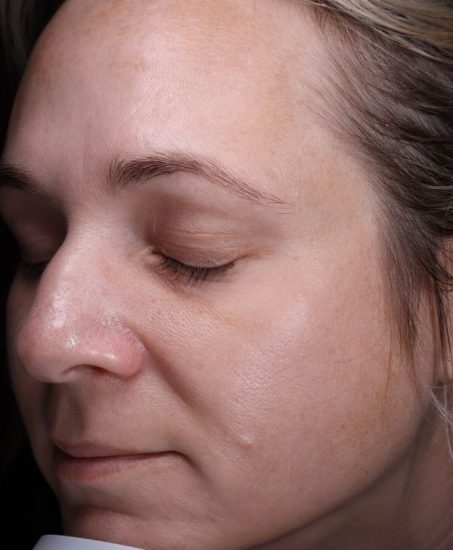
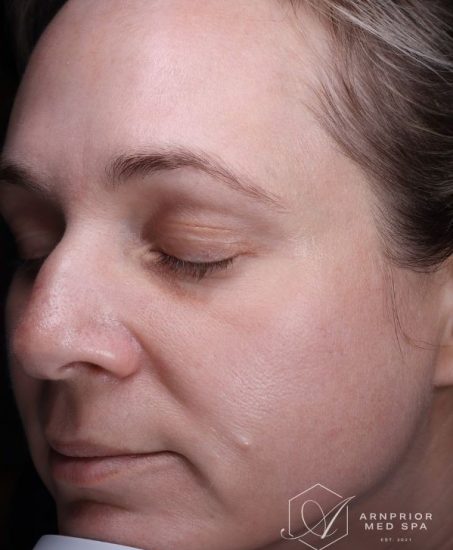
Melasma and hyperpigmentation before and after LaseMD Ultra
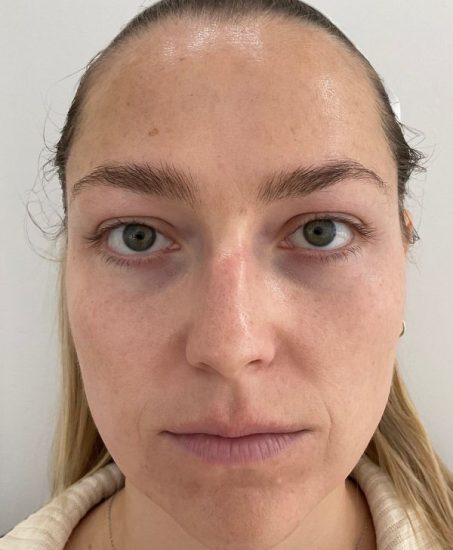
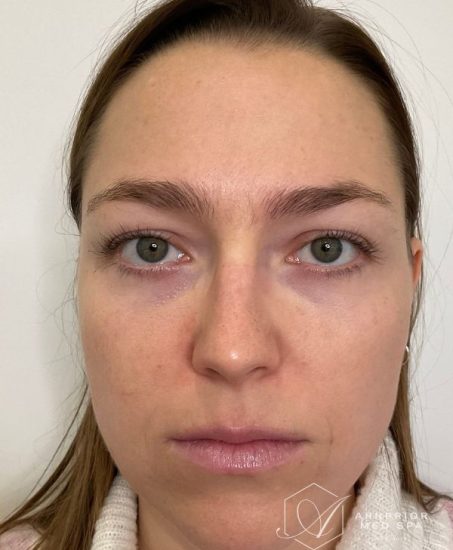
Pigmentation and photodamage before and after LaseMD Ultra
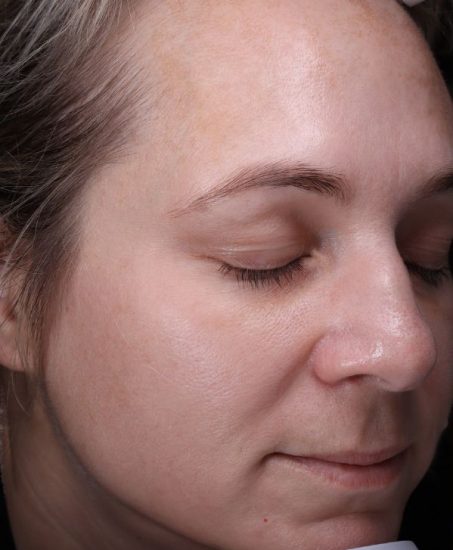
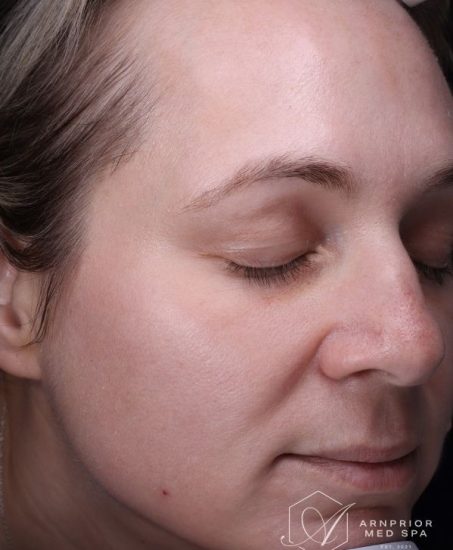
Melasma and hyperpigmentation before and after LaseMD Ultra
Looking for LaseMD Ultra near Ottawa? Arnprior Med Spa offers 1927 nm non-ablative fractional laser resurfacing for concerns such as sun damage, brown spots, uneven pigmentation, uneven tone and early photoaging.
Located in downtown Arnprior, we welcome clients from Kanata, Carp, Stittsville, Almonte, Carleton Place, Renfrew and throughout the Ottawa Valley who are looking for a customized approach to pigmentation correction and fractional laser resurfacing.
Whether your concern is visible sun damage, freckles, uneven skin tone, diffuse pigmentation or early signs of photoaging, treatment begins with an individual skin assessment so we can determine whether LaseMD Ultra, or another resurfacing technology, is the most appropriate approach for your skin.
This page names other lasers because the right one depends on the concern. Here is where each of them sits.
LaseMD Ultra is a 1927 nm non-ablative fractional thulium laser designed for fractional skin resurfacing. It delivers microscopic zones of laser energy across the skin while leaving areas of surrounding tissue untreated.
At Arnprior Med Spa, we primarily use LaseMD Ultra when concerns such as sun damage, brown spots, uneven pigmentation, uneven tone and early photoaging are part of the treatment goal.
At Arnprior Med Spa, LaseMD Ultra is primarily considered for:
Sun damage · Brown spots · Freckles · Uneven pigmentation · Uneven tone · Early photoaging · Superficial texture · Overall skin quality
The appropriate treatment still depends on the type and cause of the pigmentation. Not every brown spot or pigment condition should be treated in the same way.
A typical treatment can take approximately 10 to 20 minutes, depending on the treatment area and the treatment plan.
Consultation, skin preparation, photographs and topical numbing, when used, can add to the total appointment time.
Recovery varies with treatment intensity.
Following treatment, the skin may appear red, warm, dry or rough, with the more visible healing phase generally occurring over several days.
Regular activities can usually be resumed immediately, while complete resolution of the dry healing sensation may take approximately 5 to 7 days.
A stronger corrective treatment may look and feel different from a lighter maintenance treatment, so we prefer to discuss expected recovery based on the treatment actually being planned.
Some changes in brightness and tone may become noticeable as the initial healing phase resolves, while improvement can continue as the skin responds over time.
Published studies of fractional 1927 nm treatment have evaluated improvements over weeks to months rather than treating results as an immediate endpoint.
For this reason, we assess results based on the treatment goal and appropriate follow-up interval rather than judging the outcome immediately after treatment.
Potentially, but melasma requires a different strategy from ordinary sun spots.
Fractional 1927 nm thulium lasers have been studied for melasma, including split-face and randomized clinical research, with improvement reported in selected patients.
However, melasma is a chronic pigment disorder influenced by multiple factors, and laser treatment alone should not be presented as a cure.
At Arnprior Med Spa, we assess pigment pattern, triggers, previous treatment history, skin preparation and risk of rebound pigmentation before deciding whether LaseMD Ultra belongs in a melasma treatment plan.
No.
Fraxel is a family of fractional laser systems. The Fraxel DUAL platform incorporates both 1550 nm and 1927 nm wavelengths. Solta identifies its 1927 nm wavelength for resurfacing and pigmented lesions such as age spots, sun spots and freckles.
LaseMD Ultra uses a dedicated 1927 nm thulium fractional wavelength, placing it in a similar wavelength category to Fraxel 1927, but it is a different platform with different delivery technology.
When comparing the treatments, the important questions are not simply “Fraxel or LaseMD?” but which wavelength is being used, what concern is being treated and how intensive the treatment needs to be.
HALO and LaseMD Ultra are not equivalent resurfacing treatments.
Classic Sciton HALO is a hybrid fractional laser that combines 1470 nm non-ablative energy with 2940 nm ablative Er:YAG energy in the same treatment system.
LaseMD Ultra uses a single 1927 nm non-ablative fractional wavelength.
That means HALO incorporates both an ablative and non-ablative component, while LaseMD Ultra remains non-ablative.
Treatment selection therefore depends on the concerns being addressed and the degree of resurfacing and recovery desired, not simply which device has the more recognizable name.
These treatments use completely different forms of energy.
LaseMD Ultra delivers fractional 1927 nm laser energy and is particularly useful when pigmentation, photodamage and uneven tone are prominent concerns.
Genius RF Microneedling uses microneedles to deliver radiofrequency energy within the skin and occupies a different role when deeper dermal remodelling, selected scars or textural concerns are the treatment priority.
The appropriate option depends on what we are trying to change within the skin, and in some treatment plans the technologies may complement one another rather than compete.
That is exactly what the consultation is intended to determine.
If the dominant concern is pigmentation, sun damage or uneven tone, LaseMD Ultra may be considered.
If texture, pores or selected scars require more substantial non-ablative fractional remodelling, Mosaic 3D may be more appropriate.
If the concern requires a more intensive ablative resurfacing approach, CO₂ or Er:YAG may be considered.
At Arnprior Med Spa, we do not expect clients to diagnose their own skin or select a laser based on a treatment menu. We assess the skin first and build the treatment plan around the concern being addressed.
The 1927 nm thulium wavelength is strongly absorbed by water within the skin and is used in fractional resurfacing treatments that primarily influence more superficial photodamage and pigmentation.
Clinical studies of fractional 1927 nm thulium lasers have reported improvements in pigmentation, photodamage and overall skin appearance, which is why this wavelength has become particularly relevant for clients concerned with uneven tone and sun-related changes.
No. LaseMD Ultra is a non-ablative fractional laser.
Instead of intentionally removing the entire surface of the skin, it delivers fractional energy that creates microscopic treatment zones. Cynosure Lutronic describes Ultra as producing dehydrated microchannels through fractional energy while preserving untreated tissue between treatment zones.
This creates a very different treatment and recovery profile from ablative resurfacing technologies such as CO₂ or Er:YAG.
Comfort varies according to treatment intensity and individual sensitivity.
Topical anaesthetic is applied for 30-45 minutes prior to procedure.
There is no single treatment number that applies to everyone.
Cynosure Lutronic notes that some patients may see improvement after one session while others may benefit from a series.
At Arnprior Med Spa, treatment frequency depends on factors such as the amount of photodamage, pigmentation pattern, previous treatments, treatment intensity and your overall skin plan.
Ultra increases superficial collagen through fractional soft-tissue coagulation.
However, we do not position LaseMD Ultra primarily as a deep skin-tightening treatment.
Its main role in our clinic is fractional correction of pigmentation, photodamage, tone and superficial skin quality. When deeper textural remodelling or laxity is the priority, another technology may be more appropriate.
LaseMD Ultra and Sciton MOXI are particularly interesting to compare because both use a 1927 nm non-ablative fractional wavelength.
Both are used within the broader category of fractional resurfacing for concerns such as sun damage, pigmentation, uneven tone and early signs of aging.
They are not the same device, however.
LaseMD Ultra incorporates technologies including IntelliTrak™ roller tracking, Controlled Chaos Technology™ and real-time energy measurement, while MOXI uses Sciton’s own roller tracking and velocity-management system.
Neither should automatically be considered “better” based on the brand name alone. They are different 1927 nm platforms, and treatment outcome also depends on treatment parameters, patient selection and the concern being treated.
Neither is universally better because they serve different roles within fractional resurfacing.
LaseMD Ultra uses 1927 nm and is primarily considered at Arnprior Med Spa when pigmentation, sun damage, uneven tone and early photoaging are the dominant concerns.
Mosaic 3D uses 1550 nm and occupies a different position in our resurfacing strategy when texture, enlarged pores, fine lines or selected acne scars require greater fractional dermal remodelling.
In simple terms:
LaseMD Ultra → tone + pigment
Mosaic 3D → texture + remodelling
For clients who have both types of concerns, treatment may involve different technologies at different stages rather than forcing one device to address everything.
CO₂ laser resurfacing is generally the more intensive resurfacing category, but stronger does not automatically mean more appropriate.
LaseMD Ultra is a non-ablative fractional treatment primarily used in our clinic for pigmentation, photodamage, uneven tone and early skin-quality changes.
CO₂ is an ablative resurfacing technology and may be selected when concerns such as deeper wrinkles, advanced photodamage or selected deeper textural irregularities require a more intensive resurfacing response.
The two treatments therefore occupy different places within our resurfacing portfolio.
The goal is not to choose the strongest laser. It is to choose the wavelength and treatment depth that make sense for the concern being treated.
By wavelength and general treatment category, Sciton MOXI and the 1927 nm component of Fraxel DUAL are among the closest widely recognized comparisons, because all use 1927 nm fractional technology.
However, they are separate platforms with their own methods of energy delivery, treatment settings and clinical protocols.
This is why we prefer to compare wavelength, treatment depth and treatment goal rather than assuming different device names represent interchangeable treatments.
Clear + Brilliant
A well-established non-ablative fractional resurfacing platform often used for early skin maintenance, overall skin quality and mild signs of aging. Depending on the system and handpiece being used, treatment may be performed at either 1440 nm or 1927 nm.
LaseMD Ultra
A dedicated 1927 nm fractional thulium platform that we use when concerns such as sun damage, uneven pigmentation, freckles, brown spots and overall photodamage are a priority, with treatment intensity customized to the skin.
If you are specifically comparing Clear + Brilliant’s 1927 nm handpiece with LaseMD Ultra, the wavelength is similar, but the devices are not interchangeable. Power, beam characteristics, coverage systems, treatment parameters and how the provider uses the technology all affect the treatment being delivered.
At Arnprior Med Spa, the decision is not based on which brand name is more recognizable. We look at what is causing the visible concern, how much correction is needed and how much downtime is appropriate, then select the technology that best fits that goal.
You don’t need to choose between Clear + Brilliant, Ultra or another fractional laser yourself. Start with the skin concern, and we’ll determine the treatment.
Discover whether 1927 nm fractional resurfacing with LaseMD Ultra, or another laser treatment, is the right approach for your pigmentation, sun damage and uneven skin tone.
Nurse-led advanced skin clinic in Arnprior, serving the Ottawa Valley. Specializing in laser resurfacing, pigmentation, melasma, acne, acne scarring, redness and skin rejuvenation.
Copyright © 2021-2026 Arnprior Med Spa · All Rights Reserved · Powered by Social Medispa
Privacy · Terms